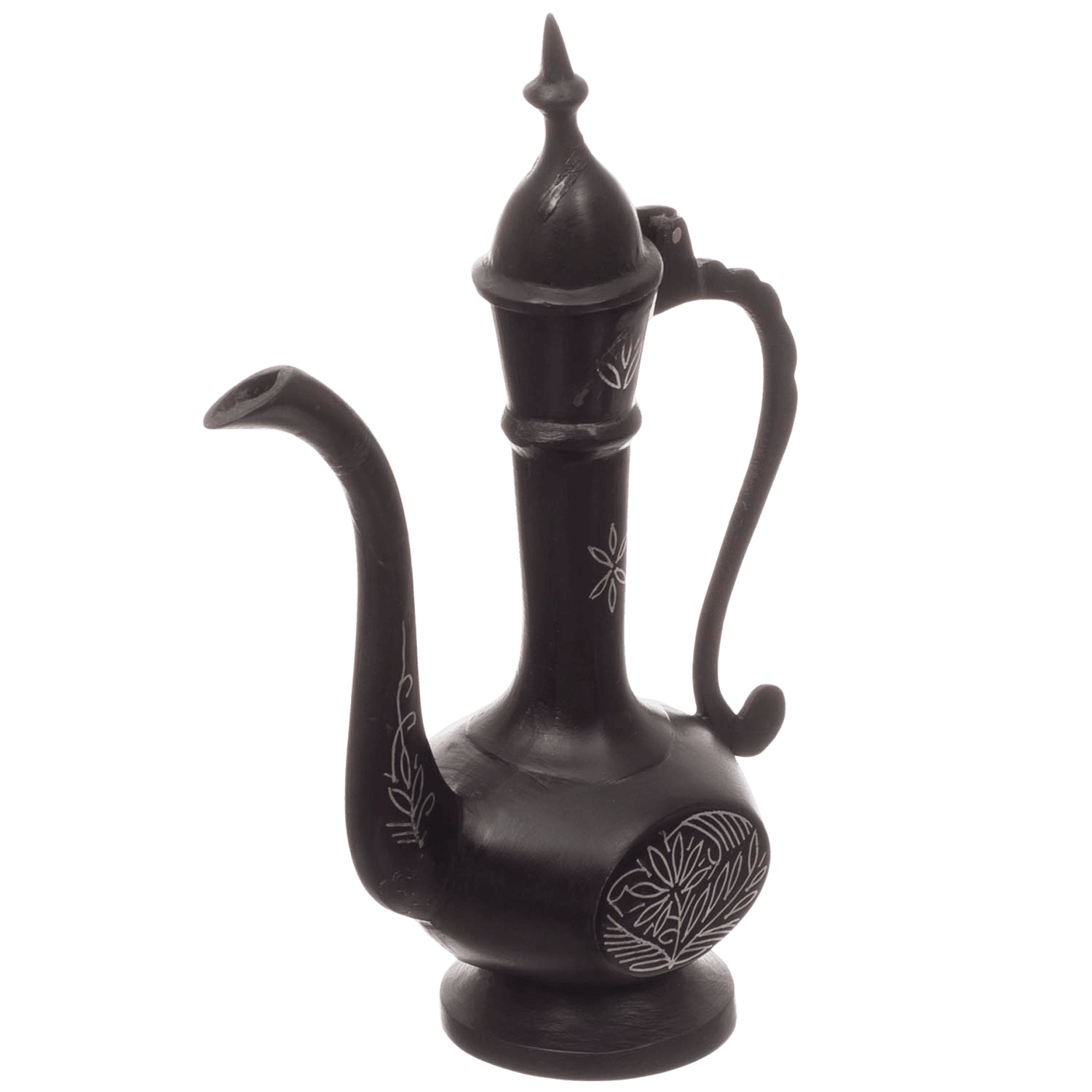
Bidriware: The Royal Metalcraft of India – Heritage, Artistry, and Legacy
Bidriware: The Royal Metalcraft of India – Heritage, Artistry, and Legacy
Introduction
CraftCoup takes pride in bringing India's most treasured art traditions to the world. Among these, Bidriware stands apart as a symbol of timeless elegance, royal aesthetic, and extraordinary craftsmanship. Originating from Bidar, a historic city in Karnataka, Bidriware is an art form that gained prominence under the Bahmani Sultanate and was later admired by Mughal nobility and aristocrats across India.
Known for its stunning contrast of pure silver inlay work against a deep black metal base, Bidriware is more than just a product—it is a legacy preserved through skilled hands, inherited traditions, and centuries of cultural evolution. CraftCoup collaborates directly with traditional artisans who have devoted their lives to sustaining this rare craft, ensuring authenticity and fair value for their artistry.
This article explores the history, heritage, techniques, beauty, cultural value, and contemporary relevance of Bidriware, while also showing why CraftCoup is committed to preserving, promoting, and celebrating this extraordinary artistic marvel.
1. The Royal Origin of Bidriware
Bidriware traces its roots to Persian artisans who introduced the art to India centuries ago. The craft was nurtured in the Deccan region, specifically in Bidar, where it flourished under the patronage of sultans and royal courts.
During the Bahmani period, Bidar became a center for artisans skilled in metalwork and decorative arts. The royal families of the Deccan invited craftsmen from Persia and other regions to develop new cultural aesthetics. Over time, Bidriware evolved into a uniquely Indian craft—rich in Mughal artistry, Islamic calligraphy, floral motifs, and geometric precision.
Even today, Bidriware remains a symbol of aristocratic elegance, gracing palaces, museums, and homes around the world.
2. Characteristics That Make Bidriware Unique
Bidriware is recognized instantly by its striking visual contrast:
- Base Metal: A special alloy primarily composed of zinc and copper.
- Design Details:Pure silver wires or sheets are engraved into carved patterns.
- Signature Finish: The metal is treated with a blackening process using soil from Bidar Fort, giving the surface a deep, permanent black tone.
This distinct black coating is not just decorative—it is chemistry meeting tradition. The soil used for this process is believed to have aged for centuries, untouched by sunlight or rain, enhancing its reaction during oxidization.
The result is a product where silver shines like moonlight on a midnight sky.
3. The Four Fundamental Stages of Creating Bidriware
The craftsmanship behind Bidriware is a highly skilled, multi-step process. Each stage requires patience, precision, and artistic mastery.
Step 1: Casting
The base alloy (zinc + copper) is melted at high temperature and poured into molds made from special clay mixed with resin or castor oil for flexibility.
Step 2: Engraving
After cooling, the surface is polished and coated with copper sulphate to temporarily darken it. Artisans then draw intricate designs freehand using sharp chisels.
Step 3: Inlaying
Silver wires or sheets are carefully hammered into these engraved grooves. This step demands steady hands, mental focus, and years of training.
Step 4: Oxidizing / Blackening
The inlaid product is dipped in a special boiling solution made from Bidri fort soil + ammonium salts. The alloy turns deep black, while the silver remains bright.
This final transformation is what makes Bidriware a miracle of material science and traditional knowledge.
4. Motifs, Symbolism, and Artistic Expression
The motifs used in Bidriware reflect Persian, Mughal, Deccani, and Indian cultural elements, including:
- Paisley and arabesque vines
- Geometric lattice patterns
- Floral gardens and leaf tendrils
- Quranic calligraphy
- Lotus, peacocks, elephants, and nature forms
Traditional designs hold meaning—representing prosperity, devotion, and timeless beauty.
CraftCoup encourages both heritage patterns and contemporary minimalist designs, making Bidriware relevant for today’s home décor and lifestyle aesthetics.
5. Types of Bidriware Produced Today
Bidriware artisans now create over 200 varieties of products, including:
Product Category | Examples |
Home Décor | Vases, wall plates, candle stands, trays, centerpieces |
Temple & Spiritual Objects | Religious symbols, diya stands, pooja décor |
Jewelry & Personal Accessories | Bracelets, pendants, brooches, keepsake boxes |
Collectible Figurines | Peacocks, swans, horses, elephants |
Luxury Gifting Pieces | Corporate awards, wedding favors, cultural presentations |
CraftCoup curates select pieces that prioritize detail, balance, and refinement.
6. Why Bidriware is Valuable
1. Handmade – Not Machine Reproduced
Each piece is created through human skill—not mass-production.
2. Cultural Heritage Craft
Recognized as a Geographical Indication (GI) art form representing Bidar.
3. Permanent Finish
The black coating and silver inlay do not fade easily when cared for properly.
4. Artistic Rarity
Only a limited number of master artisans remain practicing this craft.
5. Meaningful & Ethical Purchase
Buying Bidriware supports traditional livelihoods and cultural preservation.
7. Care Instructions for Bidriware
- Clean gently using a soft cotton cloth.
- Avoid harsh chemicals or abrasive scrubbing.
- Occasionally apply a drop of coconut oil to deepen the natural sheen.
With proper care, Bidriware remains beautiful for generations.
8. CraftCoup’s Commitment to Artisans
CraftCoup works hands-on with artisan families who have inherited this craft across multiple generations. Many artisans face economic challenges due to rising material costs, limited market networks, and modern manufacturing competition.
CraftCoup ensures:
✅ Fair pricing and respectful collaboration
✅ Direct artisan partnership (no exploitative intermediaries)
✅ Revival of traditional styles alongside new design innovation
✅ Training and sustainability support for artisan communities
When you buy from CraftCoup, you don’t just purchase a product — you protect a heritage.
9. Why Choose CraftCoup Bidriware
- Authentic GI-Certified Craftsmanship
- Unique, Handcrafted, Cultural Luxury
- Ethically Sourced & Fairly Priced
- Premium Gift-Ready Packaging
- Curated Designs for Modern Homes
CraftCoup bridges heritage and contemporary lifestyle, keeping tradition alive with dignity and respect.